
"Receive the exceptional service you deserve
and reclaim your peace in paradise"
Aphids
Aphids
Plant Lice, Greenfly, Blackfly, Plant Louse, Greenflies, Blackflies, Ant Cows, Ant’s Cow, Sapsucking Pest Insect, Aphidians, Aphidoidea
Understanding Aphids: A Homeowner's Guide
As a homeowner in warm, humid regions such as Florida, particularly in areas like Islamorada, Marathon, Key Largo in the Florida Keys, managing garden pests is essential for maintaining healthy landscapes and preventing crop damage. Aphids, small sap-sucking insects from the superfamily Aphidoidea, including species such as the green peach aphid (Myzus persicae) and melon aphid (Aphis gossypii), are common in subtropical climates. These pests often infest plants, leading to reduced vitality and aesthetic concerns in residential gardens or orchards. Acquiring knowledge of their characteristics, behaviors, and control methods enables effective protection of your property.
Identification: Recognizing the Invader
Aphids are tiny, pear-shaped insects measuring 1/16 to 1/8 inch in length, with soft bodies in colors ranging from green, black, yellow, or pink, depending on the species. They possess long antennae, cornicles (tailpipe-like structures) on the abdomen, and may be winged or wingless. Winged forms develop during overcrowding or seasonal changes, facilitating dispersal. Nymphs resemble adults but are smaller, undergoing several molts before maturity.
Homeowners may mistake aphids for similar small pests like whiteflies, but aphids cluster on new growth and excrete sticky honeydew. In Florida, their presence on citrus or vegetables, often with sooty mold from honeydew, aids identification during routine garden inspections.
Habits and Habitat: Where They Thrive
Aphids prefer mild to warm temperatures (60-80°F) with high humidity, thriving on a variety of host plants including roses, vegetables, and fruit trees in Florida Keys gardens. They reproduce rapidly through parthenogenesis (asexual reproduction), with females birthing live young, leading to exponential population growth in spring and fall. As phloem feeders, they extract plant sap, weakening hosts and transmitting viruses. Colonies form on undersides of leaves or stems, attracting ants that protect them for honeydew.
In residential settings, aphids are commonly found in outdoor plantings or greenhouses, especially after mild winters in Islamorada, where they exploit abundant vegetation.
Signs of Infestation: Early Warning Signals
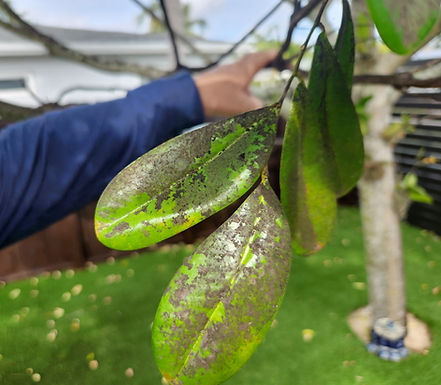
Indicators include clustered insects on new shoots, curled or distorted leaves, sticky honeydew residue on surfaces below plants, and black sooty mold growth. Ant trails leading to aphid colonies or stunted plant growth signal presence. Heavy infestations may involve thousands of aphids per plant, resulting in yellowing foliage or premature leaf drop.
For Florida homeowners, observing these signs on ornamental or edible plants post-rainy periods necessitates prompt assessment to mitigate spread.
Prevention Tips: Proactive Steps for Homeowners
Apply horticultural oils or insecticidal soaps for control; and prune infested parts promptly. Maintain plant health through proper watering and fertilization to reduce susceptibility; use row covers on vegetables; and avoid over-fertilizing with nitrogen, which promotes tender growth. Regular scouting and companion planting with repellent species like marigolds enhance defenses.
In the Florida Keys, including Islamorada, integrating these measures with seasonal monitoring after wet weather supports a resilient garden environment through consistent practices.
In conclusion, while aphids play a role in ecosystems as prey for beneficial insects, their impact on home gardens requires diligent management. By implementing these strategies, you can preserve a vibrant and productive landscape. For specialized assistance in the Florida Keys area, contact Paradise Pest Solutions.
Health Risks: Protecting Your Family
Aphids primarily harm plants by transmitting viral diseases like mosaic virus, which can devastate gardens, but they pose minimal direct risks to humans. Indirect concerns include allergic reactions to honeydew or mold in sensitive individuals, or contamination of harvested produce. Their role in attracting other pests may exacerbate overall yard issues.
In daily home scenarios, particularly for families in humid Florida climates cultivating home gardens, these factors emphasize the need for monitoring to ensure safe, uncontaminated outdoor spaces.